
10 Reasons Bloggers Should Write A Schedule For Posts
I will earn commissions if you click affiliate links or make a purchase at no additional cost to you.
When I first started blogging, I thought I could simply write whenever I felt inspired. If I had an idea, I would sit down and create a post. If I didn’t have an idea, I would wait until something came to me. At the time, this seemed like a perfectly reasonable way to run a blog. After all, blogging is supposed to be creative, right? The problem is that inspiration isn’t always dependable.
There were days when I had plenty of ideas and couldn’t type fast enough. Then there were other days when I would sit in front of my computer for an hour trying to figure out what to write. Sometimes I would publish several posts in one week and then disappear for two weeks. My audience never really knew when to expect new content, and honestly, neither did I.
Eventually, I realized that I needed a better system. I started creating a schedule for my blog posts. It didn’t have to be complicated. I simply planned what I wanted to publish, when I wanted to publish it, and what topics I wanted to cover. That simple habit made blogging much easier.
A content schedule doesn’t mean you have to turn blogging into a rigid nine-to-five job. It simply gives your blog some structure. Whether you publish once a week, three times a week, or several times a month, having a plan can help you stay consistent and make better use of your time. If you’ve been struggling to stay consistent with your blog, here are 10 reasons why you should consider creating a schedule for your posts.
1. A Posting Schedule Keeps You Consistent
Consistency is one of the biggest challenges bloggers face. It’s easy to become excited about a new blog in the beginning. You might publish five articles in your first week because you’re motivated and full of ideas. Then life happens. Work gets busy. Family responsibilities come up. You take a vacation. You’re tired. Suddenly, two weeks have passed since your last post.
This is where a posting schedule can make a huge difference. When you have specific publishing dates written down, you’re less likely to forget about your blog. Instead of asking yourself whether you should write something today, you already know what needs to be done.
Consistency also helps your audience know what to expect. If readers discover that you regularly publish new content every Monday and Thursday, they have a reason to come back. You don’t necessarily need to publish every day. In fact, publishing less frequently with consistently useful content can be better than overwhelming yourself with an unrealistic schedule. The important thing is choosing a schedule you can actually maintain.
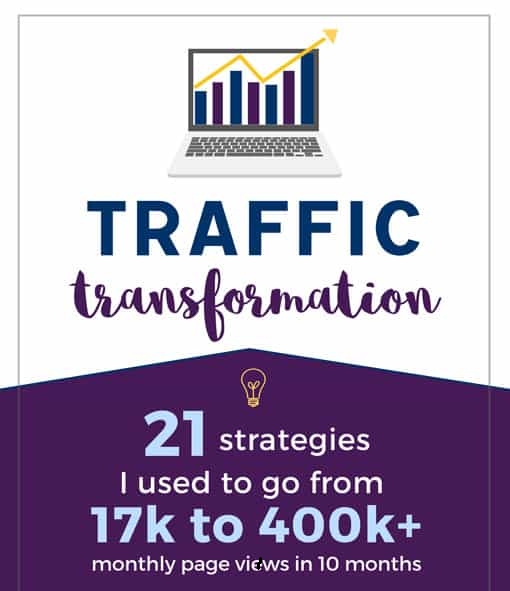
If you are putting endless hours into your blog but your google analytics numbers just won't budge this guide is exactly what you need to read next. This traffic transformation eBook walks you through the exact 21 hands on strategies used to shoot my own blog traffic from 17,000 to over 400,000 monthly page views. It completely skips the fluff and breaks down how to make your existing content way more shareable, choose keywords that actually rank and clean up your site navigation.
2. It Helps You Avoid Writer’s Block
Writer’s block can be incredibly frustrating. You sit down at your computer, open a blank document, and suddenly every idea you’ve ever had disappears. You know you need to publish something, but you have no idea what to write.
A content schedule can reduce that pressure because you aren’t starting from zero every time you sit down to write. Instead of asking, “What should I write about?” you can look at your schedule and see the topic you’ve already chosen.
That eliminates one of the hardest parts of blogging: deciding what to write. You can even plan several weeks in advance. Once you have a list of upcoming topics, you can spend your writing time actually creating content instead of brainstorming.
This doesn’t mean you can never change your schedule. If you suddenly discover a better topic, you can always move things around. The schedule is there to help you, not restrict you.
3. You Can Plan Content Around Important Dates
A schedule also gives you the opportunity to plan seasonal content. There are certain topics that become more relevant during particular times of the year. Holiday shopping, back-to-school season, tax season, summer travel, New Year’s resolutions, and other annual events can create opportunities for bloggers.
If you’re writing about these subjects at the last minute, you may miss the opportunity to get your content discovered. With a schedule, you can plan ahead.
For example, if you want to publish a holiday gift guide, you don’t want to wait until a few days before Christmas to start writing it. You can create the article earlier, give yourself time to promote it, and allow search engines and readers time to discover it. Planning ahead gives your content room to breathe.
4. It Makes Content Creation Less Stressful
Blogging can become stressful when everything feels urgent. If you wake up every morning thinking, “I need to publish something today,” you can quickly turn blogging into a chore.
A schedule changes that feeling. When your content is planned, you know what’s coming. You can break large projects into smaller tasks. You might choose your topic on Monday, write the first draft on Tuesday, edit it on Wednesday, and publish it on Thursday. Suddenly, you’re not trying to do everything at once. This can make blogging feel much more manageable.
A schedule also helps you avoid the panic that comes from realizing you haven’t published anything in several days. Instead of constantly reacting, you’re working from a plan.
5. It Helps You Build A Content Strategy
There’s a major difference between having a blog and having a content strategy. A blog simply contains articles. A content strategy considers why you’re creating those articles and how they fit together.
Creating a posting schedule forces you to think about your content as a whole. You can look at your upcoming posts and ask whether you’re covering the subjects your audience actually cares about. You can see whether you’re writing too much about one topic and ignoring another.
For example, if your blog focuses on making money online, you might plan articles about freelancing, blogging, affiliate marketing, digital products, budgeting, and side hustles.
Instead of randomly choosing topics, you can create a balanced collection of content. That makes your blog more useful and gives readers more reasons to explore your website.
6. It Makes It Easier To Promote Your Content
Publishing an article is only part of blogging. Once the article is live, you need to give people an opportunity to discover it. That’s much easier when you know your publishing schedule.
If you know that a new article will be published every Tuesday, you can prepare promotional content ahead of time. You can create social media posts, graphics, emails, or other promotional materials before the article goes live.
This prevents the common situation where you publish an article and then realize you haven’t done anything to promote it. A schedule gives you time to think beyond the article itself. You can plan the launch instead of simply pressing the publish button and hoping someone finds your post.
7. It Helps You Manage Your Time
Time management is another major benefit. Without a schedule, blogging can easily consume more time than you intended. You might spend hours researching a topic, then another few hours writing, followed by editing, formatting, creating graphics, promoting the article, and responding to comments. Before you know it, you’ve spent the entire day working on one post.
A schedule helps you divide your time. You can decide how much time you’re willing to spend on blogging each day or each week. You might reserve Monday for research, Tuesday and Wednesday for writing, Thursday for editing, and Friday for promotion.
You don’t have to follow that exact system, but the concept is useful. When you assign tasks to specific days, you’re less likely to spend your entire week jumping between different blogging activities.
8. It Gives You Something To Work Toward
One of the hardest things about blogging is staying motivated when results aren’t immediate. You can publish an article today and see almost no traffic tomorrow. That can be discouraging.
A posting schedule gives you goals that are within your control. Instead of focusing entirely on pageviews, you can focus on publishing five quality articles this month. You can focus on completing your content calendar. You can focus on updating older posts or creating a certain number of new articles.
Those accomplishments give you a sense of progress. Traffic will eventually come if you’re building the right content and promoting it effectively, but you can’t control exactly when an article will take off. You can control whether you keep creating. That distinction can help you stay motivated.
9. It Allows You To Create Better Content
Perhaps one of the biggest benefits of planning ahead is that your content can improve. When you’re rushing to publish something because you haven’t written anything all week, you’re more likely to cut corners.
You might publish an article before thoroughly researching the topic. You might overlook spelling mistakes. You might use a weak headline because you don’t have time to think of something better.
A schedule gives you breathing room. You can write a draft and come back to it later with fresh eyes. You can research additional information. You can improve the introduction. You can make the headline stronger. You can add examples and make the article more useful.
The extra time can make a noticeable difference in the quality of your content. Good blogging isn’t just about publishing frequently. It’s about creating something people actually want to read.
If you are putting endless hours into your blog but your google analytics numbers just won't budge this guide is exactly what you need to read next. This traffic transformation eBook walks you through the exact 21 hands on strategies used to shoot my own blog traffic from 17,000 to over 400,000 monthly page views. It completely skips the fluff and breaks down how to make your existing content way more shareable, choose keywords that actually rank and clean up your site navigation.
10. It Helps You Build A Sustainable Blogging Routine
The final reason bloggers should create a posting schedule is that it can help turn blogging into a habit. When blogging depends entirely on motivation, it’s difficult to maintain over the long term.
You might be extremely motivated this month and completely burned out next month. A routine is different. When something becomes part of your regular schedule, you don’t have to rely on motivation quite as much.
Think about other habits in your life. You probably don’t have to debate every morning whether you’re going to brush your teeth. It’s simply part of your routine. Blogging can develop a similar rhythm.
Maybe you write for an hour every morning. Maybe you create content every Saturday. Maybe you publish every Monday and Thursday. There isn’t one perfect schedule. The best schedule is the one that fits your life and allows you to consistently create quality content.
How To Create A Blogging Schedule That Actually Works
Creating a schedule sounds easy, but there’s one mistake I see bloggers make all the time: they make their schedule far too ambitious. If you’re currently publishing one article a week, don’t suddenly decide that you’re going to publish three articles every day.
You might manage it for a week or two, but eventually you’ll burn out. Start with something realistic. If you can comfortably create one quality article each week, start there. Once you develop a routine, you can increase your publishing frequency if you have the time and resources.
You should also leave some flexibility in your schedule. Life doesn’t always cooperate with our plans. An unexpected responsibility can appear. You may need extra time to research an article. You may decide that a topic isn’t worth covering anymore. That’s okay. Your schedule should be a guide rather than a prison.
I also recommend keeping a running list of future article ideas. Whenever you think of a topic, write it down. Don’t depend on remembering it later. Over time, you’ll build a collection of ideas that you can use whenever you’re planning your next batch of content.
Give Yourself Room To Experiment
Another thing I learned is that a content schedule shouldn’t prevent experimentation. Sometimes the best blog posts are the ones you didn’t originally plan.
You might notice a question readers keep asking. You might discover a new trend in your industry. You might find an interesting topic while researching another article. Leave some space in your calendar for those opportunities.
For example, if you plan to publish eight articles in a month, you don’t necessarily have to lock yourself into eight specific topics months in advance. You can plan the general direction while leaving room for changes. This gives you the structure of a schedule without sacrificing creativity.
Your Schedule Should Serve Your Audience
It’s also important to remember that your content schedule isn’t really about you. It’s about your readers. Before deciding how often to publish, think about what your audience actually wants. Publishing five articles a week isn’t automatically better than publishing one excellent article a week.
If your audience prefers detailed guides, focus on creating those guides. If they enjoy short tips, create more concise content. If they respond well to tutorials, make tutorials part of your schedule. Pay attention to your analytics and feedback. Your readers will tell you a lot about what is working if you’re willing to listen.
Don’t Be Afraid To Reuse Successful Ideas
A content schedule can also help you get more value from topics that already perform well. Suppose you publish an article about saving money and it becomes one of your most popular posts.
That doesn’t mean you have to move on and never discuss the subject again. Instead, you can explore related questions. You might write about saving money on groceries, reducing household expenses, finding better deals online, creating a monthly budget, or avoiding unnecessary purchases. One successful topic can inspire an entire collection of related articles.
This is another reason why planning your content can be so useful. You’re not simply creating individual posts. You’re building a library of related information.
The Goal Isn’t To Publish More
It’s tempting to think that having a schedule means you need to publish as much content as possible. That’s not the goal. The goal is consistency. If your schedule causes you to produce rushed, repetitive, low-quality articles, then it’s probably too aggressive. A good schedule should help you create better content while reducing stress.
Think about sustainability. Could you follow your schedule for six months? Could you follow it for a year? If the answer is yes, you’ve probably created a realistic plan. If the thought of following it makes you exhausted already, it’s time to simplify it.
If you are putting endless hours into your blog but your google analytics numbers just won't budge this guide is exactly what you need to read next. This traffic transformation eBook walks you through the exact 21 hands on strategies used to shoot my own blog traffic from 17,000 to over 400,000 monthly page views. It completely skips the fluff and breaks down how to make your existing content way more shareable, choose keywords that actually rank and clean up your site navigation.
Final Thoughts
Creating a schedule for your blog posts may seem like a small organizational task, but it can completely change the way you approach blogging. Instead of constantly wondering what to write, when to publish, and how you’re going to find time to promote your content, you have a clear plan to follow. A good posting schedule can help you stay consistent, avoid writer’s block, plan seasonal content, reduce stress, build a stronger content strategy, promote your articles more effectively, manage your time, stay motivated, create better content, and develop a sustainable blogging routine.
You don’t need a complicated calendar filled with dozens of deadlines. You can start with something as simple as a notebook, spreadsheet, calendar, or document listing your upcoming topics and publishing dates. The most important thing is to create a system that works for you. Blogging is a long-term game. There will be weeks when everything goes according to plan and weeks when it doesn’t. Having a schedule won’t eliminate every challenge, but it will give you something valuable: direction.
Instead of waiting for inspiration to strike, you’ll know what you’re working on next. Instead of scrambling for a topic at the last minute, you’ll already have ideas waiting. Instead of publishing whenever you remember, you’ll have a consistent rhythm your readers can recognize. And perhaps most importantly, you’ll spend less time wondering what you should be doing and more time actually building your blog.
A schedule won’t guarantee that every post becomes popular. It won’t instantly bring thousands of visitors to your website. But it can give you the structure you need to keep showing up, keep creating, and keep improving. That’s what makes a posting schedule so valuable. You don’t need to make blogging complicated. Start with a realistic schedule, stick with it, learn from your results, and adjust it as you grow. Over time, those small, consistent efforts can turn into a blog filled with useful content and an audience that knows they can count on you to keep publishing.