
How To Rock Your Blog Traffic And Income
I will earn commissions if you click affiliate links or make a purchase at no additional cost to you.
Starting a blog can feel exciting at first. You choose a name, pick a topic, write a few posts, publish them, and then you wait for visitors to show up. Unfortunately, that is not usually how blogging works. Publishing great content is only one piece of the puzzle. If you want your blog to grow, you need to understand how to attract the right readers, keep them interested, and turn that attention into income.
The good news is that you do not need millions of visitors to build a profitable blog. You need consistent traffic from people who are genuinely interested in what you have to say and what you have to offer. A smaller audience that trusts you can be much more valuable than a huge audience that visits once and disappears.
Whether you are starting from scratch or trying to revive an existing blog, there are practical things you can do to increase your traffic and income. It takes patience, experimentation, and consistency, but blogging can become a powerful online business when you approach it strategically.
Start With A Topic People Actually Care About
One of the biggest mistakes new bloggers make is choosing a topic based entirely on what they personally like without considering whether people are searching for information about it. Your passion matters, but so does demand. Think about the problems people are trying to solve. What questions do they type into Google? What products do they compare before making a purchase? What information do they wish someone would explain in simple language?
For example, instead of creating a general lifestyle blog, you could focus on saving money, working from home, side hustles, personal finance, budget-friendly travel, beginner fitness, home organization, or another specific area. A focused topic makes it easier for readers and search engines to understand what your blog is about. You also do not have to stay in an extremely narrow niche forever. Start with a clear direction and expand naturally as your audience grows. The goal is to become known for something instead of trying to be everything to everyone.
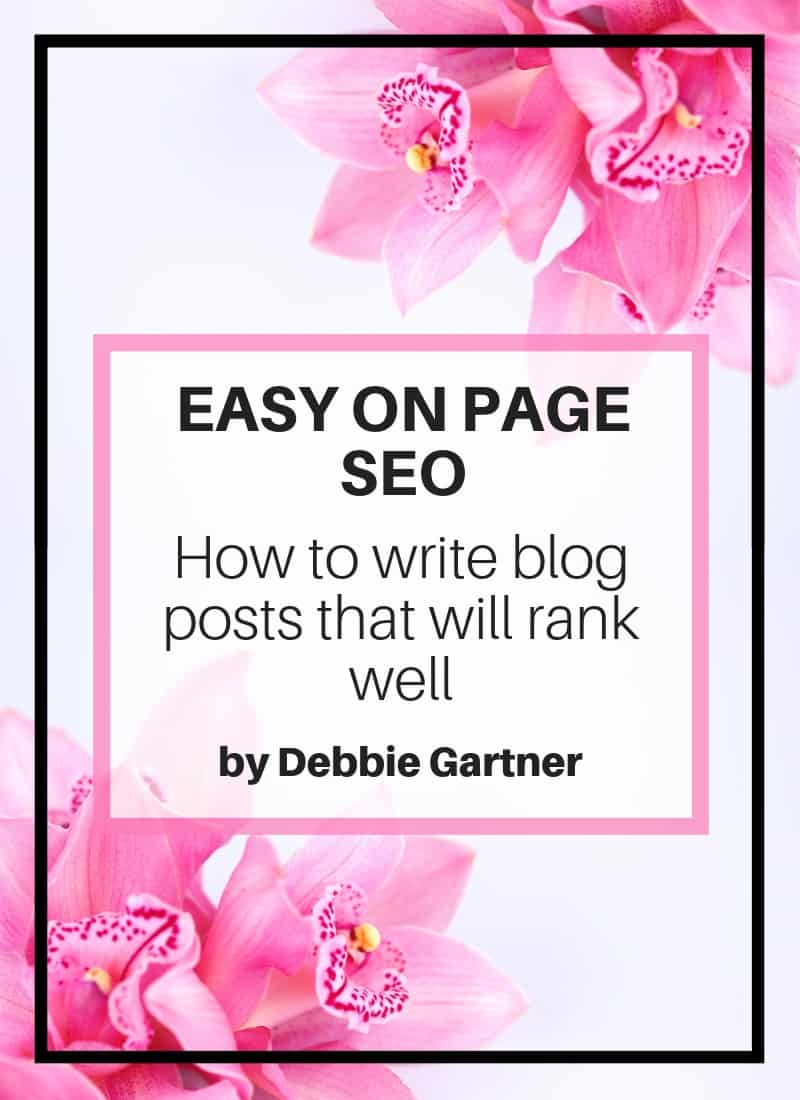
If you are tired of riding the pinterest algorithm rollercoaster where your traffic goes up one day and vanishes the next this is the book that will save your sanity. This ebook breaks down search engine optimization into plain english completely skipping the confusing tech jargon that usually makes people close their laptops. This ebook shows you exactly how to structure your posts so google understands them right away helping you pull in stable consistent reader traffic that actually stays on your site longer and converts better on your website.
Create Content That Solves Problems
People rarely visit blogs simply because they want to read another random article. They usually have a reason. They want an answer, an idea, a solution, a recommendation, a tutorial, or inspiration. That means your content should provide something useful. Before writing an article, ask yourself what the reader will get from it. If the answer is unclear, the topic may need some work.
A title such as “My Thoughts About Saving Money” is not nearly as compelling as “How To Save $500 A Month Without Feeling Miserable.” The second title immediately communicates a benefit. Your articles should make readers feel like they accomplished something by the time they reach the end. Give them practical information, explain complicated concepts in everyday language, and share examples whenever possible.
The more useful your content becomes, the more likely readers are to return, share your articles, mention your blog to other people, and eventually purchase something you recommend.
Learn The Basics Of SEO
Search engine optimization, commonly called SEO, can sound complicated, but the basic concept is simple. You want search engines to understand your content so they can show it to people looking for that information.
Start by researching keywords related to your topic. A keyword is simply a word or phrase people enter into a search engine. Instead of guessing what people want to read, use keyword research to discover actual questions and topics. Look for phrases that are relevant to your blog and match the kind of content you want to create.
Then naturally use your primary keyword in your title, introduction, headings, URL, and throughout the article where appropriate. Do not force the keyword into every sentence. Search engines have become much better at understanding context, and awkward keyword stuffing can make your content unpleasant to read. SEO is not about writing for robots. It is about making your content easy for both search engines and humans to understand.
Write Better Headlines
Your headline can make or break your traffic. You could have the best article on the internet, but if nobody clicks on it, that article is not going to do much for your blog. A strong headline creates curiosity while clearly explaining the benefit of reading the article. It should give readers a reason to stop scrolling.
Compare “Ways To Make Money Online” with “10 Realistic Ways To Make An Extra $500 A Month Online.” The second headline gives the reader a specific outcome and creates a stronger reason to click. Experiment with different headline styles. You can use numbers, questions, how-to formats, mistakes, comparisons, challenges, or specific benefits.
Just remember not to make promises your article cannot deliver. Clickbait may get someone to your site once, but disappointing readers will hurt your credibility.
Make Your Blog Easy To Read
Nobody wants to struggle through a giant wall of text. Even if your information is excellent, poor formatting can cause readers to leave quickly. Use short paragraphs, descriptive headings, clear language, and plenty of breathing room.
Your readers are probably not sitting down with a cup of coffee specifically because they have nothing else to do. They may be reading your article on a phone while waiting in line, sitting on the couch, or taking a quick break at work. Make the experience easy.
Avoid unnecessary jargon and complicated sentences. Write the way you would talk to a real person. If you can explain something in a simple sentence instead of three complicated ones, do it. A conversational writing style can make your blog feel more personal. Readers should feel like they are learning from a knowledgeable person rather than reading a textbook.
Update Your Older Content
One of the easiest ways to increase blog traffic is to improve content you have already published. You do not always need to create something brand new. Look through your older articles and identify posts that are already receiving some traffic. Then ask yourself how you can make them better.
You might update outdated information, add new examples, improve the headline, answer additional questions, add relevant internal links, or make the article more comprehensive. You may also discover that an older article is targeting a keyword poorly. Updating the content around a clearer search intent can give it a better chance of attracting visitors.
Your blog is an asset that can become more valuable over time. Treat your old content like something worth maintaining rather than something you publish and forget.
Build An Email List
If you depend entirely on search engines or social media platforms for traffic, you are building your business on someone else’s platform. That is why an email list is so important.
When someone gives you permission to email them, you have a direct way to communicate with that person. You are not relying on an algorithm to decide whether they see your latest article. You can encourage visitors to join your email list by offering something useful. This could be a free guide, checklist, mini-course, template, printable, resource list, or other helpful download.
Once people join, do not bombard them with sales pitches. Give them useful information. Share new blog posts, helpful tips, personal lessons, and relevant recommendations. Trust is what turns an email subscriber into a customer.
Promote Every New Article
Publishing an article does not mean your job is finished. Once a new post goes live, promote it. Share it with your existing audience and find appropriate ways to get it in front of people who might benefit from it.
You can repurpose a blog post into social media content, an email newsletter, a short video, a podcast discussion, or a series of smaller posts. One well-written article can become multiple pieces of content. This is especially useful if you are trying to build traffic without constantly writing new articles.
Instead of publishing seven mediocre posts every week, you may get better results from creating one excellent article and promoting it repeatedly in different formats.
Use Pinterest And Social Media Strategically
Social media can bring attention to your blog, but you do not have to be everywhere. Choose platforms where your audience actually spends time. If your target readers are active on Pinterest, focus there. If they prefer Instagram, TikTok, Facebook, LinkedIn, YouTube, or another platform, build your strategy around that audience.
Do not simply drop a link and hope for the best. Create content that fits the platform. Give people a reason to stop, read, watch, or click.
For example, a blog post about saving money could become a short tip video, a carousel of money-saving ideas, a graphic featuring one powerful statistic, and an email discussing the same topic in greater detail. Your blog should be the home base, while social platforms can serve as traffic sources.
If you are tired of riding the pinterest algorithm rollercoaster where your traffic goes up one day and vanishes the next this is the book that will save your sanity. This ebook breaks down search engine optimization into plain english completely skipping the confusing tech jargon that usually makes people close their laptops. This ebook shows you exactly how to structure your posts so google understands them right away helping you pull in stable consistent reader traffic that actually stays on your site longer and converts better on your website.
Connect Your Articles With Internal Links
Internal linking is one of the simplest blogging strategies that often gets overlooked. Whenever you write a new article, look for relevant older posts you can naturally link to. Then go back through your older articles and link to newer content when appropriate.
This helps readers discover more of your work. Someone who arrives at your blog to read one article may click another, then another. Suddenly, one visitor has viewed several pages instead of leaving after one. Internal links can also help search engines understand the relationship between your content.
Think of your blog as a library. Your internal links are the signs that help visitors find the next useful book.
Start Monetizing Before You Feel Ready
Many bloggers wait until they have a huge audience before thinking about income. You do not necessarily need to do that. There are several ways a blog can make money, including display advertising, affiliate marketing, sponsored content, digital products, memberships, online courses, consulting, services, and other offers.
The right method depends on your niche and audience. Affiliate marketing can be especially attractive for beginners because you can recommend products and services that are relevant to your readers without creating your own product.
For example, if your blog focuses on blogging, you could recommend hosting services, email marketing platforms, website tools, courses, books, or software that you genuinely use or believe would help your audience. The important word is genuinely. Your reputation is more valuable than a quick commission.
Create Your Own Products
If you want more control over your income, consider eventually creating something of your own. Digital products can be particularly useful because they do not require inventory or shipping. You could create an ebook, workbook, printable, template, course, membership, or collection of resources.
Your blog gives you an opportunity to learn exactly what your audience wants. Pay attention to the questions readers ask. Look at the topics that generate the most comments and emails. Notice which articles receive the most traffic. Those signals can help you create products around actual demand instead of guessing.
You do not need to build a massive course with dozens of lessons on day one. A simple product that solves one specific problem can be a great starting point.
Build Trust Before Asking For Sales
Successful bloggers understand that people do not want to feel like walking wallets. If every article is packed with advertisements and sales pitches, readers will eventually tune you out.
Give first. Teach people something useful. Be honest about your experiences. Explain both advantages and disadvantages when discussing products. Admit when something did not work for you.
When readers believe that you are trying to help them rather than simply make money from them, your recommendations become more powerful. Trust takes time to build, but it can dramatically improve the value of your audience.
Track What Is Actually Working
You cannot improve what you never measure. Pay attention to your traffic sources, popular articles, search queries, email signups, affiliate clicks, product sales, and other meaningful numbers.
You might discover that one topic consistently attracts visitors while another gets almost no attention. That information should influence your future content strategy. Maybe your audience loves detailed tutorials but ignores opinion pieces. Maybe they respond to email newsletters but rarely click social media posts. Maybe certain topics generate traffic but other topics generate sales.
The goal is not to chase every number. The goal is to understand what your audience responds to and make smarter decisions.
Be Patient With Your Blog
One of the hardest parts of blogging is accepting that growth can be slow. You may publish an article and see almost nothing happen. You may spend hours creating content that attracts only a handful of visitors at first.
That does not automatically mean you are failing. Blogs often take time to build authority, earn search visibility, develop an email audience, and establish a reputation. Some articles may perform poorly for months before suddenly gaining traction.
Consistency matters because every useful article adds another potential entry point into your website. Think of blogging as planting a garden. You cannot plant seeds today and demand a harvest tomorrow. You have to keep watering, improving, and giving things time to grow.
Focus On Quality Over Quantity
Publishing constantly is not necessarily the secret to successful blogging. If you have limited time, focus on creating valuable content instead of trying to produce as many articles as possible.
A detailed article that genuinely answers a reader’s question can continue attracting traffic long after you publish it. Ten rushed articles may not accomplish the same thing.
Before publishing, read your article from the perspective of your target reader. Is the information useful? Is anything confusing? Did you actually answer the question in the headline? Is there unnecessary filler? Improving quality will make your blog stronger over time.
Give Readers A Reason To Come Back
Traffic is great, but repeat traffic is even better. Think about what would make someone want to visit your blog again. Maybe you publish helpful weekly tips. Maybe you have a unique writing style. Maybe your tutorials are particularly easy to follow. Maybe you regularly share new money-saving ideas or useful resources.
Create something readers can expect from you. A successful blog is not just a collection of articles. It becomes a resource people remember. When someone has a question related to your niche, you want them to think, “I should check that blog.” That kind of recognition is extremely valuable.
Keep Experimenting
There is no single formula that works for every blog. What works for one blogger may not work for another. Your audience, niche, writing style, offers, and traffic sources all make a difference.
Experiment with headlines. Test different content topics. Try new promotional channels. Change your email strategy. Create a small digital product. Test affiliate marketing. Update old content. Then pay attention to the results.
You do not have to reinvent your entire blog every week. Make small changes, measure what happens, and keep the strategies that produce positive results. Over time, those small improvements can compound into significant growth.
Turn Traffic Into A Real Business
Getting thousands of visitors feels great, but traffic alone does not automatically create income. You need to think about what happens after someone lands on your website.
Can they easily find your best content? Can they join your email list? Do they know what you recommend? Is there a useful product available? Are your affiliate offers relevant? Is your website easy to navigate?
Think of your blog as a journey. Someone discovers you through a search engine. They read an article. They find another helpful post. They join your email list. They receive useful information from you. Eventually, they purchase a product or use a recommendation.
That process can happen naturally when you build your blog around helping people first.
If you are tired of riding the pinterest algorithm rollercoaster where your traffic goes up one day and vanishes the next this is the book that will save your sanity. This ebook breaks down search engine optimization into plain english completely skipping the confusing tech jargon that usually makes people close their laptops. This ebook shows you exactly how to structure your posts so google understands them right away helping you pull in stable consistent reader traffic that actually stays on your site longer and converts better on your website.
Final Thoughts
Rocking your blog traffic and income is not about finding one magical trick that suddenly sends thousands of visitors to your website. It is about putting a collection of smart strategies together and giving them enough time to work.
Start with a topic people care about. Create content that solves real problems. Learn SEO. Write headlines people want to click. Make your articles easy to read. Update older posts. Build an email list and promote your content consistently.
Once you have an audience, look for ethical ways to monetize it through affiliate marketing, advertising, products, services, or other relevant opportunities. Most importantly, build trust along the way.
Your blog can become much more than a place where you publish articles. It can become an audience-building machine, a source of passive and active income, and even the foundation of a larger online business.
You do not need to have everything figured out before you begin. Start with one useful article, one reader, and one small improvement at a time. Keep learning, keep testing, and keep showing up. When you consistently create value and make it easier for the right people to find you, your traffic has a much better chance of growing and your income can grow right along with it.





Great tips! Thanks for sharing these blogging strategies. Entering the giveaway today.
Really practical advice — creating content that solves real problems and building an email list early are such smart income tips. Appreciate you sharing these insights.
great info on increasing blog traffic
This was such a practical read. The reminder to update older content really hit home for me — it is easy to chase new posts and forget that refreshing what already exists can bring quick wins. And the part about building an email list early is so true; relying only on social media feels like building on rented land. Thanks for putting this together!
Keep it easy and eye catching.
Great advice on growing a blog, thank you for sharing these practical tips!
Entering today’s giveaway! If I won the $300 Visa gift card, I’d put it toward groceries and everyday essentials. Thanks for the chance!
Great tips — enjoying this read with my morning coffee. Thanks for sharing!
Great advice — updating older posts and building an email list are easy to overlook, but they really do make a difference over time. Thanks for sharing!
nice
Tracking what is working is SO important!
learning seo is my next goal
Not bad advice
Great traffic and income tips – especially updating older content and building an email list. Entering today’s $300 Visa gift card giveaway. Thanks for the chance to win!
Focusing on quality over quantity is a good reminded to keep your eye on the prize.