
23 Ways You Can Make Money With Your Blog
I will earn commissions if you click affiliate links or make a purchase at no additional cost to you.
Starting a blog is one of those ideas that sounds simple until you actually sit down and try to build one. You choose a name, publish a few articles, share them online, and then wait for readers to arrive. Sometimes they do. Sometimes they do not. The good news is that you do not need millions of visitors to turn a blog into a source of income. You need the right audience, useful content, consistency, and a smart monetization strategy.
There are many different ways bloggers make money today. Some methods can generate income relatively quickly, while others require months or even years of consistent effort. The best approach is usually to combine several methods rather than relying on a single income stream. Here are 23 practical ways you can make money with your blog.
1. Display Advertising
Display advertising is one of the most familiar ways to monetize a blog. Advertising networks place advertisements throughout your website, and you can earn money based on impressions, clicks, or other engagement. The amount you earn depends on factors such as your traffic, audience, topic, location of your visitors, and advertising network. A finance blog, for example, may have very different advertising economics from a personal hobby blog. The important thing is to avoid filling your website with so many advertisements that readers become frustrated. Your content should remain the main attraction.
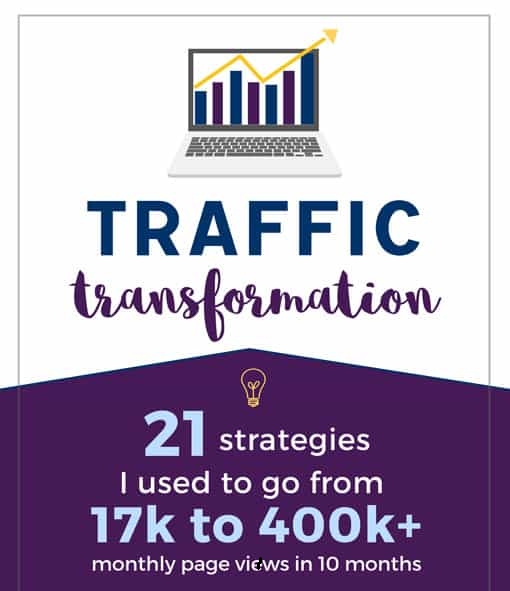
If you are putting endless hours into your blog but your google analytics numbers just won't budge this guide is exactly what you need to read next. This traffic transformation eBook walks you through the exact 21 hands on strategies used to shoot my own blog traffic from 17,000 to over 400,000 monthly page views. It completely skips the fluff and breaks down how to make your existing content way more shareable, choose keywords that actually rank and clean up your site navigation.
2. Affiliate Marketing
Affiliate marketing is one of the most popular ways bloggers make money because you do not have to create your own products. Instead, you recommend products or services and receive a commission when someone makes a qualifying purchase through your affiliate link. The key to successful affiliate marketing is trust. Readers are much more likely to buy something when they believe your recommendation is genuine. Rather than stuffing every article with affiliate links, focus on products that are genuinely relevant to your audience. Write useful reviews, comparisons, tutorials, and guides that help readers make informed purchasing decisions.
3. Sell Digital Products
Your blog can become a great sales channel for digital products. These might include ebooks, templates, checklists, spreadsheets, printables, guides, or other downloadable resources. Digital products can be especially attractive because you create them once and can potentially sell them repeatedly without worrying about physical inventory. Think about the questions your readers frequently ask. Those questions can provide clues about what kind of digital product they might be willing to purchase.
4. Create An Online Course
If you have expertise in a particular subject, consider turning that knowledge into an online course. A blog is actually a great place to build an audience for a course because your articles can demonstrate your knowledge before you ask readers to pay for more advanced information. Your course could teach anything from blogging and photography to personal finance, cooking, crafts, marketing, or professional skills. The subject matters less than your ability to provide useful information and organize it into a learning experience.
5. Offer Coaching Services
Your blog can also help you attract coaching clients. If your content demonstrates that you know what you are talking about, readers may eventually want personalized help. Coaching can be offered in many areas, including business, career development, writing, marketing, productivity, and personal development. The advantage of coaching is that you do not need thousands of customers. A relatively small number of paying clients can generate meaningful revenue.
6. Sell Freelance Services
Your blog can function as a portfolio for freelance services. If you write about content marketing, for example, potential clients can read your articles and see your writing ability. If you specialize in graphic design, your blog can showcase your projects. If you offer SEO services, your own website can demonstrate your knowledge. Instead of simply telling visitors what you can do, your blog gives them evidence.
7. Write Sponsored Posts
Companies sometimes pay bloggers to publish sponsored content featuring their products, services, or brands. Sponsored posts can generate attractive income when you have a strong audience and a clearly defined niche. However, you should be selective about the companies you work with. A sponsored article should still provide value to your readers. Promoting products that have nothing to do with your audience can damage the trust you worked hard to build. Always follow applicable advertising and disclosure requirements when publishing sponsored content.
8. Sell Advertising Space Directly
You do not necessarily have to rely entirely on advertising networks. Once your blog becomes established, you can approach businesses directly and offer advertising opportunities. For example, a local business might pay for a banner advertisement or a sponsored placement on a niche website. Direct advertising can sometimes provide more control over pricing and partnerships. It also allows you to choose advertisers that fit your audience.
9. Create A Membership Community
If your audience values your expertise and wants access to more content, you could create a paid membership community. Members might receive premium articles, private discussions, exclusive resources, live sessions, or other benefits. The biggest challenge is giving people a compelling reason to remain subscribed. A membership business works best when you consistently provide something members cannot get from your free content.
10. Start A Paid Newsletter
Email newsletters have become another powerful way to monetize an audience. You can offer a free newsletter to build your subscriber base and eventually introduce a paid version containing more specialized content. A paid newsletter does not have to be enormous. It needs to be useful to a specific audience that values your insights enough to pay for them. Your blog can act as the top of the funnel, attracting readers through search engines and social media while your newsletter develops a more direct relationship with them.
If you are putting endless hours into your blog but your google analytics numbers just won't budge this guide is exactly what you need to read next. This traffic transformation eBook walks you through the exact 21 hands on strategies used to shoot my own blog traffic from 17,000 to over 400,000 monthly page views. It completely skips the fluff and breaks down how to make your existing content way more shareable, choose keywords that actually rank and clean up your site navigation.
11. Sell Physical Products
A blog can also support an online store selling physical products. Your products could be related directly to your niche or designed around your brand. For example, a cooking blog could sell kitchen-related products, while a gardening blog could sell gardening accessories or branded merchandise. The advantage is that your blog content can naturally introduce products to people who are already interested in the subject.
12. Use Print-On-Demand
Print-on-demand allows you to sell products such as shirts, mugs, posters, notebooks, and other merchandise without keeping large amounts of inventory. When a customer places an order, a third-party provider produces and ships the item. This can be a convenient option for bloggers who have a strong brand or creative ideas but do not want to manage traditional inventory. The most important part is creating designs that your audience actually wants rather than simply putting your blog logo on everything.
13. Publish An Ebook
Writing an ebook can turn your knowledge into a product that continues generating income long after publication. You do not necessarily need to write a 300-page book. A focused guide that solves a specific problem can be more valuable than a massive book filled with unnecessary information. Your existing blog posts can also help you identify potential ebook topics. Look at the subjects that consistently attract readers and consider expanding one into a comprehensive guide.
14. Sell Templates And Tools
Templates can be surprisingly valuable because they save people time. You could create budget spreadsheets, content calendars, social media templates, business documents, planners, worksheets, email templates, or other resources related to your niche. People are often willing to pay for something that helps them skip hours of work. The best templates are simple, practical, and immediately useful.
15. Accept Donations
If your blog provides valuable free information, you can give readers the option to support your work through donations. This method is more common with blogs that provide educational resources, independent journalism, creative work, or specialized information. Donations are unlikely to replace every other income source for most bloggers, but they can provide an additional revenue stream.
16. Become A Brand Ambassador
Companies sometimes work with bloggers on longer-term partnerships rather than paying for one individual article. A brand ambassador relationship might involve creating content, mentioning products, participating in campaigns, or promoting a company across multiple platforms. These partnerships can become valuable because they provide more predictable opportunities than one-off sponsored posts. However, the partnership should make sense for your audience. Your credibility is one of your most valuable assets as a blogger.
17. Host Paid Webinars
Webinars give you an opportunity to teach something valuable while interacting directly with your audience. You can charge for access to a specialized webinar or use a free webinar to introduce people to a paid product, course, or service. Live teaching also allows you to answer questions in real time, which can make the experience more valuable than simply reading an article.
18. Offer Consulting
Consulting is another way to turn specialized knowledge into income. Unlike coaching, which often focuses heavily on helping an individual reach a personal goal, consulting can involve analyzing a business or project and providing recommendations. For example, a marketing blog could attract businesses looking for help with their content strategy. A technology blog could lead to consulting opportunities related to software or digital operations. Your blog acts as proof of expertise and can make it easier for potential clients to find you.
19. Sell Premium Content
Not everything on your blog has to be free. You can create premium articles, research reports, tutorials, guides, or specialized resources that readers can purchase individually or access through a subscription. The free content should still be valuable. Premium content should simply go deeper, save more time, or provide a more comprehensive solution. This approach works particularly well when your audience has a specific problem that requires detailed information.
20. Generate Leads For Businesses
Some businesses are willing to pay for qualified leads. If your blog attracts people who are actively looking for a particular product or service, you may be able to generate leads and connect those potential customers with businesses. For example, a home improvement blog could attract readers interested in remodeling services. A business-focused website could connect entrepreneurs with professional service providers. The important thing is to be transparent about how leads are collected and used.
21. Use Your Blog To Build A YouTube Channel
Your blog and YouTube channel can work together. Every article you write can potentially become a video topic, while videos can send viewers back to your website. This creates multiple opportunities to reach the same audience. Once your video channel grows, you may have additional income opportunities through advertising, sponsorships, affiliate marketing, products, courses, and services. You do not have to create completely separate ideas for every platform. Repurposing your best content can save considerable time.
22. Promote Your Own Software Or App
If you have a technical background or work with developers, your blog can become a marketing channel for software or an app. A blog is particularly useful for software businesses because you can publish tutorials, guides, comparisons, troubleshooting articles, and educational content related to the problems your product solves. Instead of constantly paying for advertisements, useful search-driven content can bring potential customers to your website over time. This strategy may require more work upfront, but it can create a powerful connection between content and product sales.
23. Build A Business Around Your Blog
Perhaps the biggest opportunity is to stop thinking of your blog as the entire business. Your blog can be the foundation of a much larger online business. You can combine advertising, affiliate marketing, digital products, services, courses, memberships, sponsorships, and other income streams. Over time, your website can become a recognizable brand rather than simply a collection of articles. This approach also gives you more stability. If one source of income declines, another may continue generating revenue. The goal is to build an audience that trusts your brand and then create multiple ways to serve that audience.
If you are putting endless hours into your blog but your google analytics numbers just won't budge this guide is exactly what you need to read next. This traffic transformation eBook walks you through the exact 21 hands on strategies used to shoot my own blog traffic from 17,000 to over 400,000 monthly page views. It completely skips the fluff and breaks down how to make your existing content way more shareable, choose keywords that actually rank and clean up your site navigation.
Final Thoughts
Making money with a blog is absolutely possible, but it rarely happens by publishing random articles and hoping someone clicks an advertisement. The most successful bloggers understand their audience and create content that solves real problems. You do not need to use all 23 monetization methods described here. In fact, trying to use all of them at the same time could make your blog feel unfocused. Start with one or two methods that fit your audience and your skills. Once you understand what works, you can gradually add other revenue streams.
The most important thing is to build trust before trying to monetize aggressively. People are more likely to buy your recommendations, products, courses, or services when they believe you genuinely understand their needs. Your blog may start as a simple website, but it can eventually become much more than that. With useful content, consistent promotion, a clear niche, and smart monetization, your blog can develop into a valuable online business that earns money in several different ways. The sooner you begin treating your blog as a business rather than just a hobby, the sooner you can start building the foundation for long term income.